![]() |
![]() |
| Home | Contact | Links | Feedback |
|
|
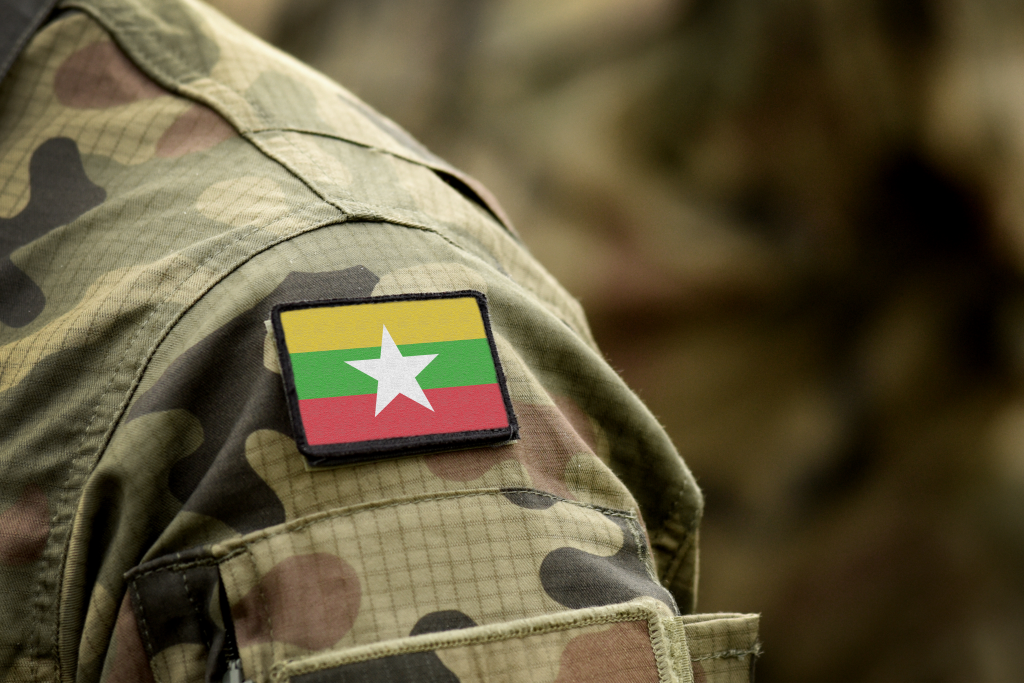
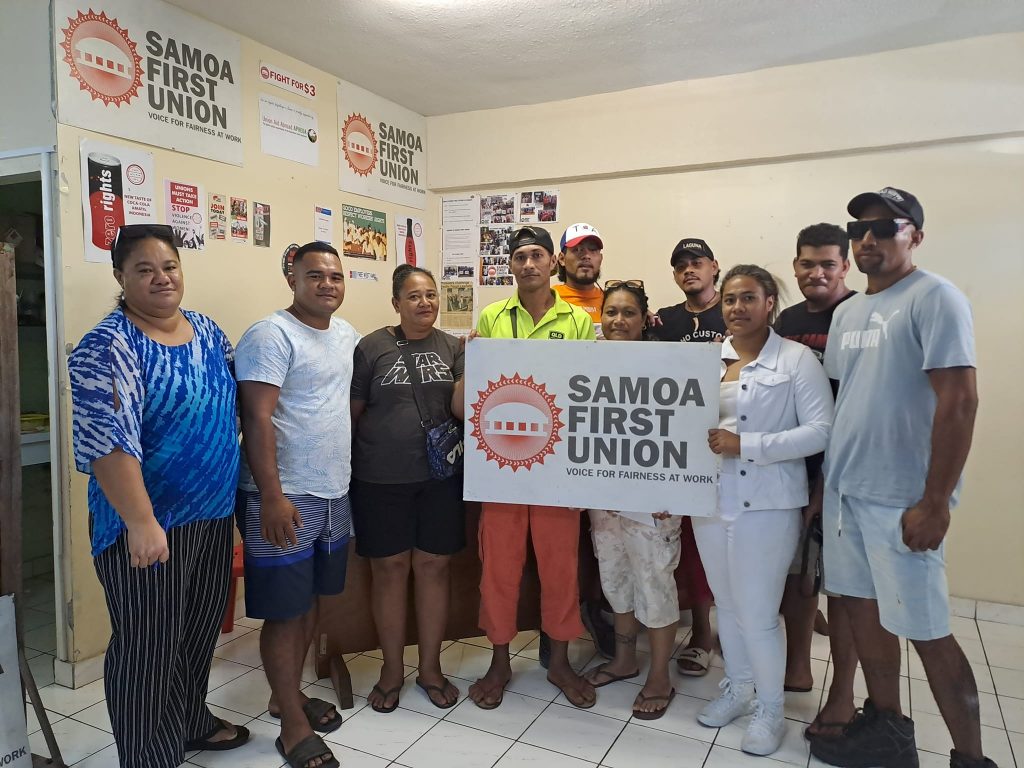
Overseas ProjectsCambodiaWhilst there has been some improvement in Cambodia’s overall economic situation in recent years, thirty-six per cent of the population still live below the poverty line. Cuba Union Aid Abroad-APHEDA, in alliance with the Cuban Children's Fund, is providing medical equipment for a children's hospital in Cuba. Because of continuing US trade sanctions against Cuba, access to a range of essentials including medicine and medical equipment remains a severe problem for the Cuban people. East Timor While the violence and bloodshed which saw the birth of East Timor has ended, the struggle of the East Timorese people to rebuild their country as a peaceful, just and stable democracy is just beginning. Indonesia Aceh Program: 2 years after the tsunami of December 2004, which killed an estimated 167,000 people, many Acehnese communities are busy rebuilding their houses, schools and businesses. More than 400 NGOs are working with the Indonesian government in Aceh, and significant progress has been made in the reconstruction process, with 57,000 houses and 750 schools rebuilt, 324 health facilities repaired or rebuilt, and a significant increase in economic activity. The peace deal which was signed between the Indonesian Government and the Free Aceh Movement (GAM) in August 2005 has seen a halt to 29 years of violence in the Province. Elections were held in Aceh in December 2006, with an ex-GAM leader, Irwandi Yusuf, elected as the new Governor. Indonesia:The survival of democracy in Indonesia is important for workers, as the freedom to organise and bargain collectively is essential to win a living wage for workers. The economy collapsed in 1997 due to the corruption and excesses of the Soeharto regime. Today, over 50% of Indonesians are living below the poverty line, up from just 11% in 1997, and unemployment is between 20-30 million workers. Over 52% of the budget goes to debt repayments, leaving just 7% for education and health. Laos Laos is the poorest country in South East Asia. Union Aid Abroad-APHEDA is assisting the Laos Women's Union, the Vientiane Municipal Women's Union and the Laung Prabung Women's Union with a capacity building and vocational skills training program for disadvantaged women and men, to assist them gain employment and reduce poverty. Union Aid Abroad-APHEDA opened an office in Laos in early 2002 to assist development of this new program. Southern Africa HIV is now widely recognised as one of the key threats to well being and development in southern Africa. In sub-Saharan Africa, over 25 million people are HIV positive. Among workers in many sectors of the economy in southern Africa, a quarter or more have HIV. South Africa alone has almost 5 million people with HIV and the South African trade union federation, COSATU, has over 300,000 members with HIV. Every day the need for education, care and support programs becomes more urgent, as does the international campaign for access to treatments. Sri Lanka The coast of Sri Lanka was badly affected by the 26 December 2004 Indian Ocean Tsunami. Union Aid Abroad-APHEDA has been working with our partners in both the north and soutern Sri Lanka to assist in the response to this devastating tragedy. Thai-Burma Border Few governments around the world match the Burmese military regime for repression. Opposition and dissent is brutally crushed, civil organisations such as trade unions suppressed, forced labour, slave labour and child labour is common, and the ruling military elite is noted for its corruption and involvement in the illicit drugs trade. The Middle East Recent years have seen increased conflict, causing suffering, fear, insecurity and poverty for millions of Palestinians and Israelis. The ongoing conflict can achieve nothing for an increasingly militarised Israeli society, and increasingly despondent and impoverished Palestinian communities. The Pacific In the Pacific, political, economic and environmental problems are deepening. Melanesian countries, in particular Fiji, PNG and Solomon Islands, have undergone coups with increasing militarisation, plus highly contested and damaging exploitation of resources and labour. The Philippines Almost 90% of total employment in the Philippines is in the informal sector of the economy - homebased workers and workers in micro-enterprises employing a maximum of 10 workers, usually subcontractors of big multinational firms or in agricultural work. This sector is overwhelmingly dominated by marginalised women and even children who work for irregular and insufficient incomes, face job insecurity and often inhumane working conditions. The Philippines' largest export earner is labour - over 1,000 Filipinos depart Manila for jobs overseas each day as domestic workers and seafarers. Union Aid Abroad - APHEDA and the Environment A great deal of human activities and development impact upon the environment. Union Aid Abroad-APHEDA’s Policy on the Environment defines the environment as everything that “directly impacts upon the life support systems on which people rely for their survival and development.” The fact that Union Aid Abroad-APHEDA has many past and current projects which have an environmental base reflects Union Aid Abroad-APHEDA’s commitment to ecologically sustainable development. Vietnam Vietnam's health report card is "good, but room for improvement". With 48 physicians per 100,000 people, with a 95% immunisation rate for children and with $US81 spent on health per person each year, Vietnam is at the better end of the least developed countries. However, the infant mortality rate is still 31 per 1,000 live births (Australia is 5 per 1,000), 22% of children are undernourished and 113 people per 100,000 people have TB. |
|||||||||||||||||||||||||||||||||||||||||
| Home | Contact | Links | Feedback | Privacy | |
| ©
Union Aid Abroad - APHEDA 2003. | ![]() |